
Peptide treatment Phoenix, Az Wolverine Blend: Benefits of BPC-157 and TB-500 for Tissue Repair and Inflammation
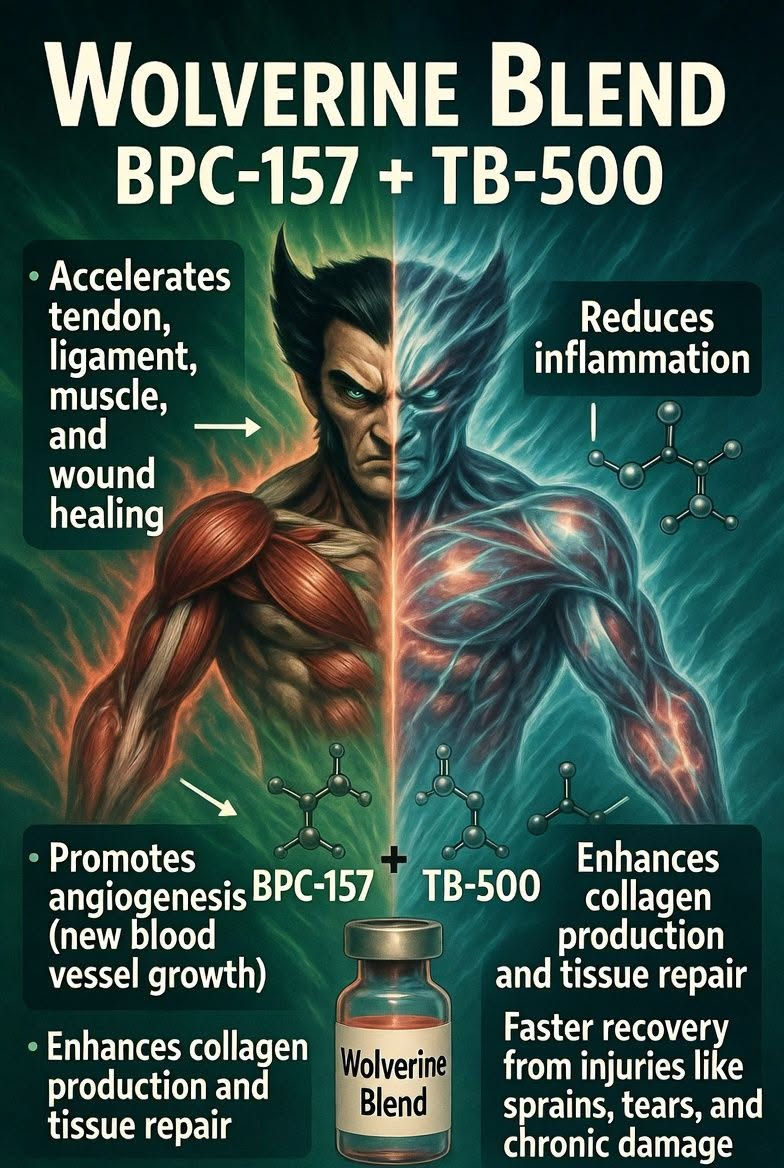
Soft tissue injuries and chronic inflammation affect millions of people worldwide, often leading to prolonged recovery times and discomfort. Recent advances in regenerative medicine have introduced promising treatments that aim to accelerate healing and reduce inflammation more effectively. One such approach gaining attention is the "Wolverine Blend," a combination of two peptides: BPC-157 and TB-500. Named after the Marvel character known for rapid regeneration, this experimental stack is marketed by wellness clinics for its potential to support tissue repair and inflammation control.
This article explores the science behind BPC-157 and TB-500, how they work together, and what current research and clinical experience suggest about their benefits.
.
What Is BPC-157 and How Does It Work?
BPC-157 is a peptide derived from a partial sequence of a protein found in human gastric juice. It has attracted interest because of its ability to promote localized tissue healing. Research and anecdotal reports suggest BPC-157 supports repair in muscles, tendons, ligaments, and even the gut lining.
Key effects of BPC-157 include:
Enhanced angiogenesis: It encourages new blood vessel formation, which improves nutrient and oxygen delivery to injured tissues.
Anti-inflammatory properties: BPC-157 helps reduce inflammation at the injury site, which can decrease pain and swelling.
Tissue regeneration: It stimulates the growth of fibroblasts and other cells critical for tissue repair.
Gut protection: Studies show it may protect and heal the gastrointestinal tract, making it useful for conditions like ulcers.
For example, animal studies have demonstrated faster tendon healing and reduced muscle damage when BPC-157 was administered. While human clinical trials are limited, many regenerative medicine clinics report positive outcomes in patients with soft tissue injuries.
Understanding TB-500 and Its Role in Healing
TB-500 is a synthetic version of Thymosin Beta-4, a naturally occurring protein in the body. Unlike BPC-157, which acts more locally, TB-500 works systemically to promote tissue regeneration and repair.
Its main functions include:
Cell migration: TB-500 encourages cells to move to the injury site, which is essential for effective healing.
Angiogenesis: Like BPC-157, it supports the formation of new blood vessels.
Anti-inflammatory effects: It helps modulate the immune response to reduce excessive inflammation.
Tissue remodeling: TB-500 aids in reorganizing damaged tissue to restore normal function.
Clinical observations suggest TB-500 can accelerate recovery from muscle strains, ligament injuries, and even wounds. Its systemic action means it may benefit multiple areas of the body simultaneously.
How the Wolverine Blend Combines BPC-157 and TB-500
The Wolverine Blend pairs these two peptides to harness their complementary effects. BPC-157 targets localized healing, especially in the gastrointestinal tract and soft tissues, while TB-500 supports broader tissue regeneration and cell migration throughout the body.
Together, they may:
Speed up recovery from injuries by promoting faster tissue repair.
Reduce inflammation both locally and systemically.
Improve blood flow to damaged areas.
Enhance overall tissue strength and flexibility.
This combination is often marketed by regenerative medicine clinics as a treatment for athletes, people recovering from surgery, or those with chronic inflammatory conditions affecting muscles and tendons.
Practical Examples of Use
Athletes recovering from muscle tears or ligament sprains have reported shorter downtime and improved healing when using the Wolverine Blend under medical supervision.
Patients with chronic tendonitis have experienced reduced pain and inflammation, allowing them to resume physical activity sooner.
Individuals with gastrointestinal issues such as ulcers or leaky gut may benefit from BPC-157’s protective effects on the gut lining.
Post-surgical recovery can be enhanced by the peptides’ ability to promote tissue remodeling and reduce inflammation.
While these examples are promising, it is important to note that most evidence comes from animal studies, case reports, and clinical experience rather than large-scale human trials.
Safety and Considerations
Both BPC-157 and TB-500 are generally considered safe when used under medical guidance, but they remain experimental treatments. Some points to consider:
Dosage and administration protocols vary widely and should be tailored by healthcare professionals.
Long-term safety data is limited.
Potential side effects are rare but may include mild irritation at injection sites or temporary changes in blood pressure.
These peptides are not approved by major regulatory agencies for general medical use and should be approached cautiously.
Anyone interested in exploring the Wolverine Blend should consult with a qualified healthcare provider experienced in peptide therapies.
Summary of Benefits
Accelerated soft tissue healing
Reduced inflammation
Improved blood vessel formation
Support for gut lining repair
Enhanced cell migration and tissue remodeling
The Wolverine Blend offers a promising approach to support the body’s natural healing processes, especially for soft tissue injuries and inflammatory conditions.
The combination of BPC-157 and TB-500 represents an exciting frontier in regenerative medicine. While more research is needed to fully understand their potential and safety, early results and clinical experience suggest these peptides may help people recover faster and with less discomfort. If you are considering peptide therapy, seek advice from medical professionals who specialize in regenerative treatments to ensure safe and effective use.


Comments